
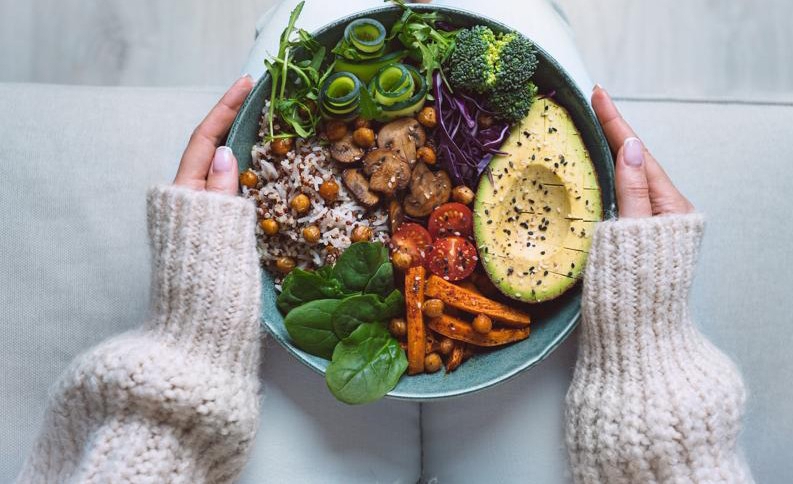
I’ve been on more diets than I care to admit. Some promised “beach-ready abs” in two weeks, others insisted I cut carbs like they were a toxic ex. And yes, I lost a few pounds here and there — only to gain them back the minute real life (and real bread) came knocking.
Then I found the Mediterranean diet. And here’s the thing: I don’t even like calling it a “diet.” It’s more of a way of living — one backed by serious science and a whole lot of joy. There’s no carb counting, no weird shakes, no shame spiral because you dared to eat pasta. There’s just fresh produce, whole grains, seafood, olive oil, and the occasional glass of wine.
And it works. Not just for weight management, but for long-term health. You Also like
Your Heart Will Thank You
The PREDIMED trial — a massive, gold-standard study out of Spain — found that people eating a Mediterranean diet rich in extra-virgin olive oil or nuts slashed their risk of major cardiovascular events by about 30% compared to those on a low-fat diet.
Then there’s the Lyon Diet–Heart Study, which followed people after their first heart attack. Those who embraced Mediterranean eating had a 70% lower risk of dying from any cause and a 73% reduction in additional heart problems. That’s not a health trend — that’s a survival strategy.
This isn’t about shaving a few points off your cholesterol. This is about keeping your heart beating strong when it matters most.
Longevity You Can Taste
This isn’t a fling. It’s a long-term relationship with your health. People in Mediterranean regions have some of the highest life expectancies in the world, and observational studies link this eating pattern to lower rates of cancer, dementia, and premature death. You also like
And here’s the beauty — this longevity doesn’t come from restrictive eating or expensive supplements. It comes from a plate filled with vegetables, legumes, fish, and grains, often seasoned with olive oil and herbs. It’s flavorful. It’s satisfying. It’s sustainable — both for your body and for the planet.
Olive Oil: Brain Food in a Bottle
I used to think olive oil was just… salad dressing. Then I read a study showing that as little as half a tablespoon a day — about 7 grams — was associated with a 28% lower risk of dying from dementia.
We live in a time when Alzheimer’s and other cognitive diseases are on the rise. If a simple drizzle of extra-virgin olive oil over your roasted vegetables could help keep your brain sharper for longer, why wouldn’t you do it? This isn’t some exotic superfood flown halfway across the world — it’s in your local grocery store.
Why Fad Diets Fail — and This One Doesn’t
Let’s get real: most diets fail because they’re designed to be temporary. They demand too much change, too quickly, and rely on deprivation to show results. Keto asks you to all but banish bread and fruit. Intermittent fasting can turn social meals into scheduling nightmares. Low-fat diets often lead to bland, unsatisfying meals.
The Mediterranean diet, by contrast, works because it’s flexible. It’s not a one-size-fits-all plan — it’s a template you adapt. Hate fish? Lean on legumes. Gluten-sensitive? Go for rice, quinoa, and polenta. Vegetarian? Easy — this way of eating is already plant-forward. The structure is there, but it bends to fit your life.
The Joy Factor: Why It’s the Secret Weapon
Here’s something most nutrition experts won’t admit: joy is an essential nutrient. A way of eating that makes you miserable is one you will eventually abandon. The Mediterranean diet bakes joy into the equation.
Meals are not a chore to rush through — they’re a reason to gather. You linger at the table. You savor flavors. You share food with others. The psychological benefits of this — reduced stress, stronger social bonds, greater life satisfaction — are profound, and they reinforce physical health.
And yes, there’s room for dessert. The difference is, it’s not a nightly binge of processed sugar. It’s a few bites of honey-drizzled yogurt, a square of dark chocolate, or fresh figs in season. No guilt. No shame. Just balance.
It’s Also a Win for the Planet
Eating Mediterranean isn’t just good for you — it’s good for the environment. This diet emphasizes plant-based foods and sustainably sourced fish over industrial-scale meat production, which means a lower carbon footprint and less strain on natural resources. In a world where climate change is tied to our dinner plates, this is a diet that lets you eat well without guilt for the planet.
Getting Started Is Easier Than You Think
Switching to the Mediterranean diet doesn’t mean tossing out everything in your kitchen and starting from scratch.
Start small:
Swap butter for olive oil.
Add one vegetable to every meal.
Eat fruit for dessert instead of cake a few nights a week.
Make one dinner a week fish-based.
Use herbs and spices for flavor instead of salt overload.
These micro-shifts add up — and because you’re not punishing yourself with impossible rules, they actually stick.
This Is a Long Game, Not a Quick Fix
The Mediterranean diet doesn’t promise you’ll lose 15 pounds by next Thursday. It promises something better: a sustainable way to eat for life, with a high probability of protecting your heart, brain, and longevity. It’s not about chasing short-term results; it’s about avoiding long-term regret.
When I think about the diets I’ve tried before — the ones that made me cranky, obsessive, and eventually defeated — I can see why they never lasted. They were sprints. The Mediterranean diet is a marathon you actually enjoy running.
Bottom line: If you’re tired of diets that fail you, it’s time to choose one that doesn’t just promise health — it delivers it, year after year. The Mediterranean diet isn’t just about adding years to your life. It’s about adding life to your years.